ADVERTISEMENT
#### 3. **Shape the Dough**
After the dough has risen, it’s time to shape it.
1. Gently deflate the dough and transfer it to a well-floured surface.
2. With lightly floured hands, stretch the dough into a rough rectangular shape. The dough will be sticky, so handle it gently to preserve the air bubbles.
3. Divide the dough into two equal pieces. Carefully shape each piece into a long, flat loaf. Don’t worry if they’re not perfect—ciabatta is meant to have a rustic appearance.
4. Place the shaped dough onto a well-floured kitchen towel or a baking sheet, ensuring there’s enough space between the loaves to allow them to rise without sticking together.
5. Let the dough rise for **30-45 minutes**, covered with a cloth, until it has puffed up again.
#### 4. **Preheat the Oven**
While the dough is rising, preheat your oven to **475°F (245°C)**. Place a baking stone or an inverted baking sheet in the oven to heat up as well. This will help give the ciabatta a crispy crust. If you have a pizza stone, use that for the best results.
#### 5. **Bake the Ciabatta**
1. Once the dough has finished its second rise, carefully transfer the loaves to the preheated baking stone or baking sheet.
2. For a crispier crust, you can spray the oven with a little water (or use a pan of water in the oven) to create steam, which helps the bread rise better and develop a golden, crispy crust.
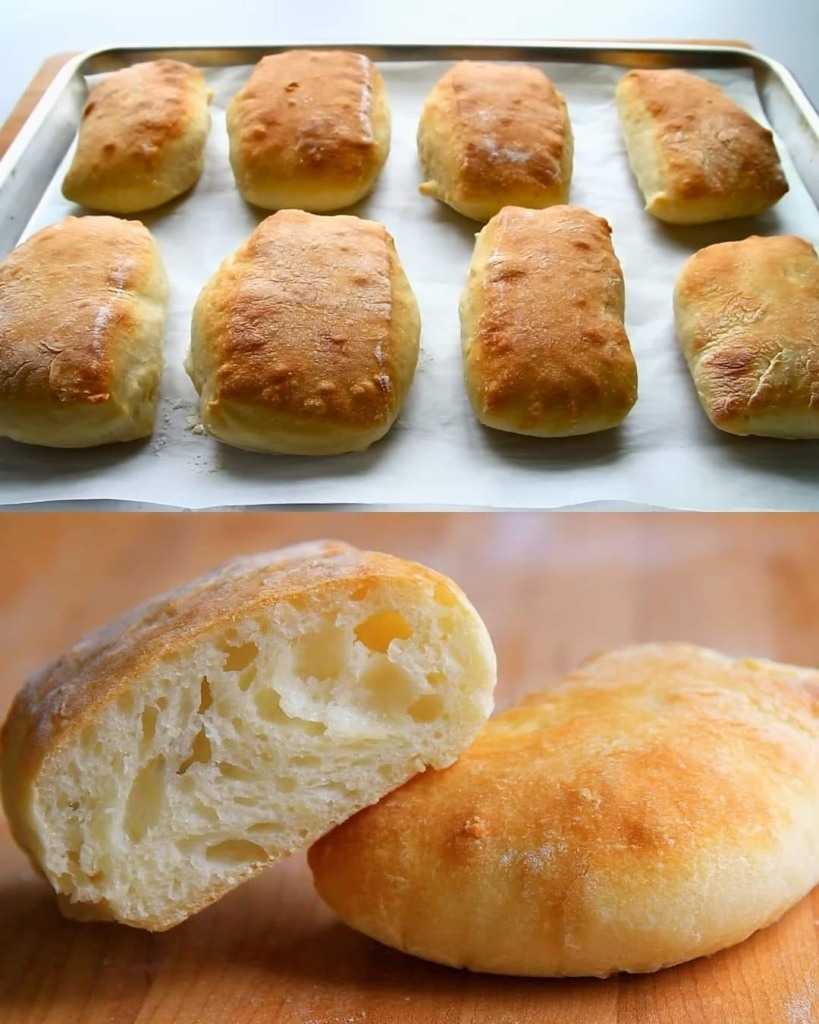
3. Bake for about **25-30 minutes**, or until the loaves are golden brown and sound hollow when tapped on the bottom.
4. Remove the ciabatta from the oven and let it cool on a wire rack for at least **30 minutes** before slicing.
### Tips for Perfect Ciabatta Bread
– **Hydration**: The high hydration (water content) is key to ciabatta’s open, airy crumb. Don’t be tempted to add too much flour while kneading—keep it sticky.
– **Biga Fermentation**: The longer the biga ferments, the more flavorful the ciabatta will be. Plan ahead and give your biga enough time to develop.
– **Steam**: Steam helps create that crispy, golden crust. If you don’t have a steam function in your oven, simply place a small pan of water at the bottom of the oven.
– **Slow Rise**: Let the dough rise slowly. Longer fermentation times will develop more flavor and create a lighter, airier texture.
### Conclusion
Making perfect ciabatta bread at home is a labor of love, but the results are well worth it. With a crispy, golden crust, and an airy, hole-filled interior, homemade ciabatta is perfect for sandwiches, dips, or just enjoying with a drizzle of olive oil. By using a biga starter, high hydration dough, and a few simple techniques, you can easily recreate this Italian classic in your own kitchen. With patience and a little practice, you’ll be making **perfect ciabatta bread** every time!
Enjoy your fresh, homemade ciabatta and savor the delicious flavor and texture that will impress both family and friends. Buon appetito!
