ADVERTISEMENT
4. Curtains, Carpets, and Fabric Items
Fabric-heavy areas are highly appealing to bagworms. Curtains, rugs, carpets, and upholstered furniture can all harbor these insects. They often hide along the edges of carpets, behind curtains, or underneath furniture where dust accumulates. Homes with thick drapes or rarely cleaned carpets are especially susceptible to infestation.
5. Bathrooms and Laundry Areas
6. Storage Rooms and Basements
Storage areas, basements, and attics are prime hiding spots due to low foot traffic and poor ventilation. Cardboard boxes, old furniture, stored clothing, and accumulated dust create a perfect environment for bagworms to thrive. These spaces are often overlooked during routine cleaning, allowing infestations to grow unnoticed.
7. Window Frames and Door Edges

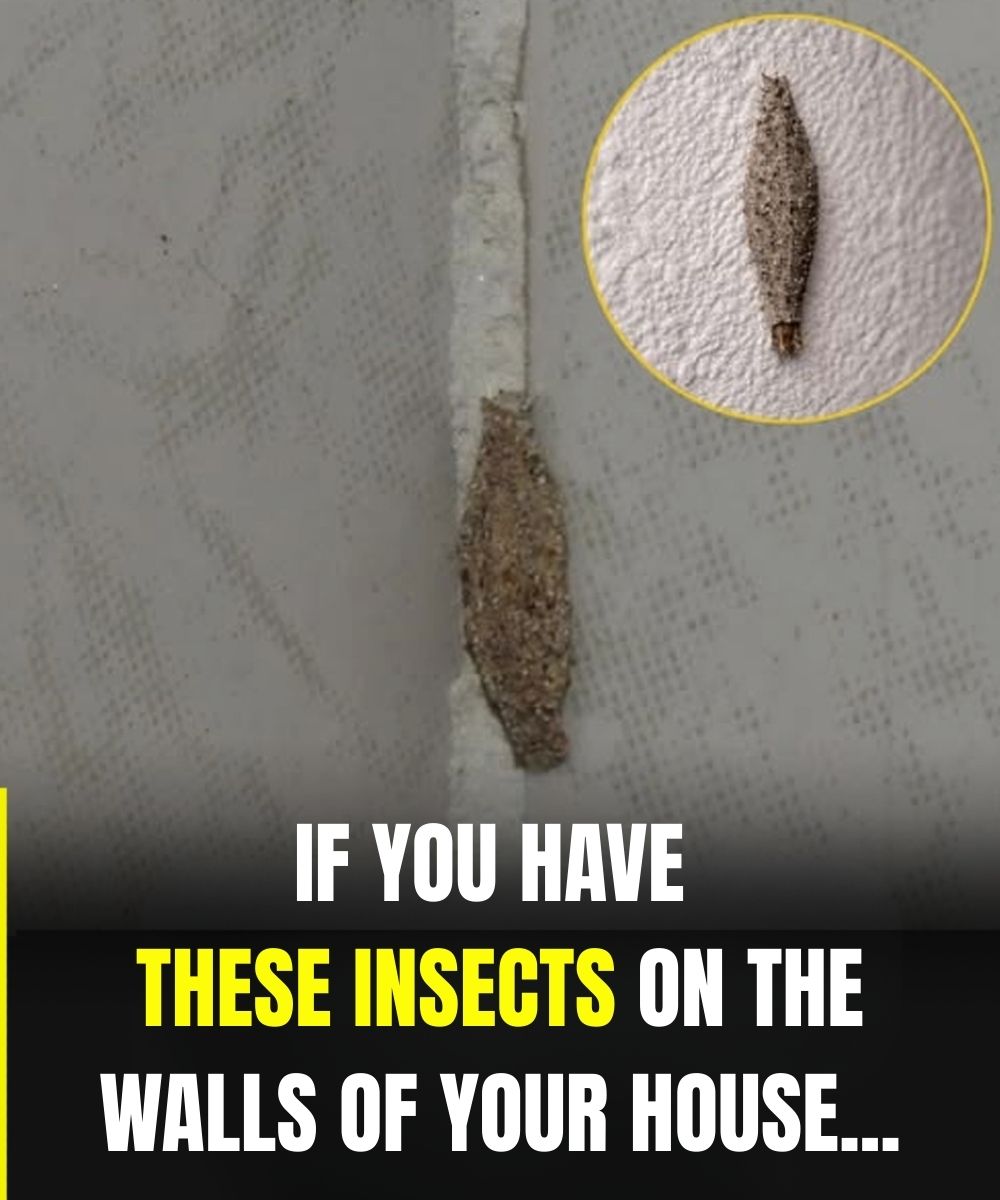
Bagworms sometimes appear near windows and doors, especially in homes located near gardens or green spaces. They may enter from outdoors and settle along window frames, door edges, or cracks in walls. These areas often collect dust and debris and provide easy access to indoor shelter.
