
ADVERTISEMENT
The Secret Meaning of a White Tongue Coating
Advertisements
custom_chain_english_zodiac[webstory]-new-20260724-16:47
arrow_forward_ios
Read more
00:00
00:24
01:31
What Does a Coated Surface Mean?
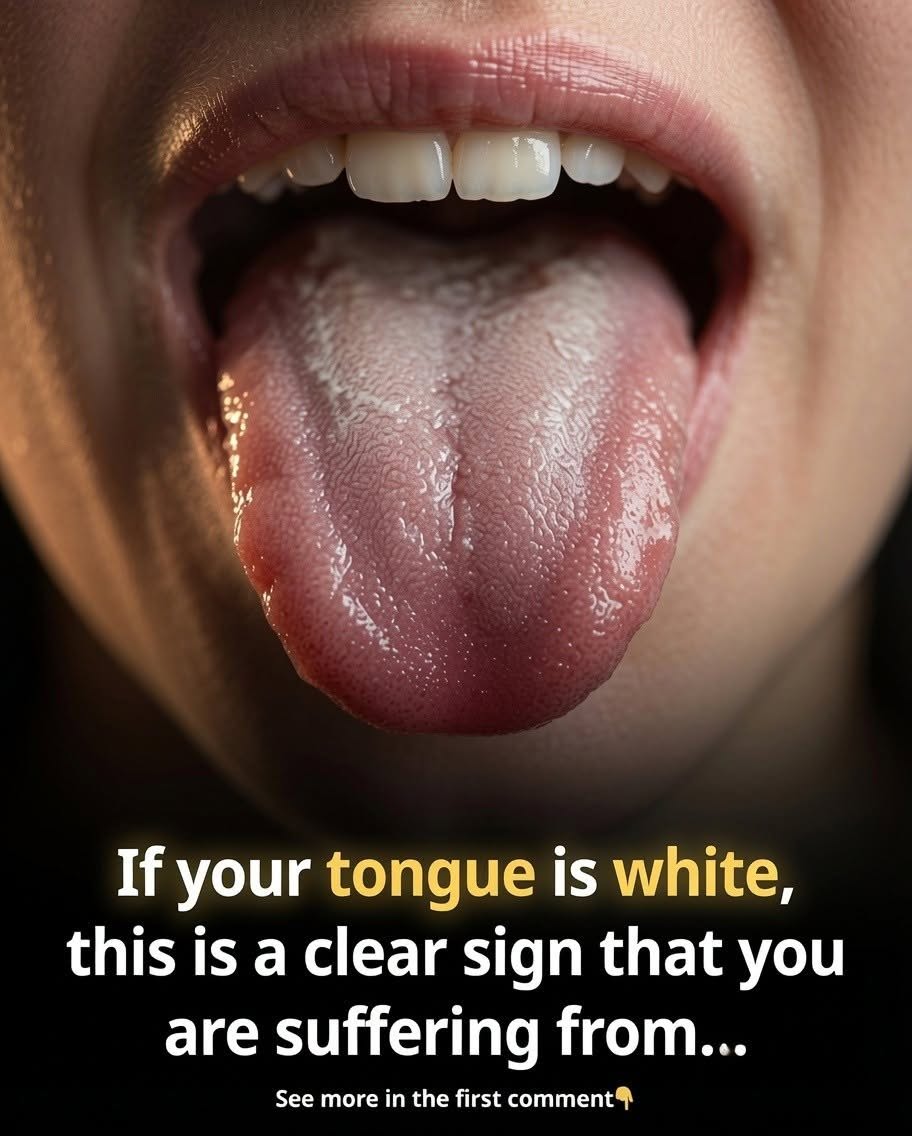
Many people wake up, look in the mirror, and notice a thick, pale layer covering the top of their mouth. While social media posts often use dramatic headlines to spark fear, the reality is usually much more manageable. This visual change occurs when tiny projections on the surface, known as papillae, become inflamed.
When these tiny bumps swell, they easily trap debris, dead cells, and natural oral particles. Instead of looking like a healthy pink surface, the upper layer begins to take on a pale or chalky appearance. In the vast majority of cases, this condition is temporary and stems from simple lifestyle factors rather than a severe system failure.
The Primary Triggers

Understanding why this layer forms is the first step toward clearing it. Several everyday habits and minor physical imbalances can lead to this accumulation:
-
Inadequate Oral Cleanliness: Failing to brush or scrape the top surface allows particles to build up over time.
-
Reduced Moisture Levels: A lack of systemic hydration reduces natural saliva production. Saliva is essential for washing away loose particles and balancing the oral environment.
-
Mouth Breathing: Individuals who breathe through the mouth, especially during sleep, dry out the oral cavity rapidly, leaving a sticky residue.
-
Lifestyle Choices: Regular exposure to smoke or regular consumption of certain beverages can irritate the delicate lining, leading to faster cell shedding.
-
Dietary Choices: Consuming mostly soft or mashed foods reduces the natural friction that occurs when chewing rougher, fibrous items. This lack of friction allows old cells to remain attached longer.
Distinguishing Common Variations
While simple buildup is the most frequent culprit, a persistent change in texture or color can sometimes indicate specific imbalances:
Local Overgrowth
Sometimes, the balance of the oral environment shifts, allowing naturally occurring micro-organisms to multiply faster than usual. This creates a distinct, pasty layer that may cause a mild burning sensation or alter the taste of food. This variation is common after using certain prescription formulas that alter internal flora balances.
Irritation Patches
Chronic friction from a sharp tooth, uneven dental work, or prolonged use of specific substances can cause firm, raised areas. Unlike standard debris, these patches cannot be scraped away easily with a regular brush. Monitoring these areas is important to ensure the tissue remains healthy over time.
Textured Visual Patterns
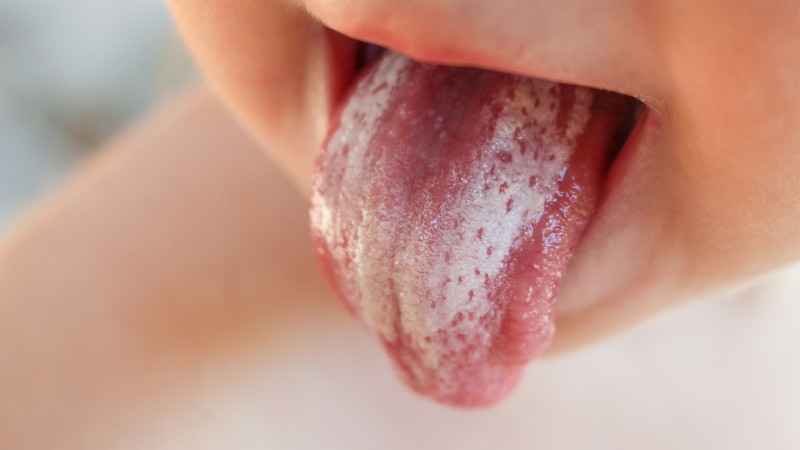
In some individuals, the surface develops a map-like appearance with shifting borders. This naturally occurring pattern can change shape from day to day and may become slightly sensitive when exposed to acidic or highly seasoned meals.
Effective Home Management Strategies
Clearing a standard buildup involves improving daily routines to promote a balanced oral environment. Consider implementing these straightforward adjustments:
-
Prioritize Regular Cleansing: Use a soft-bristled brush or a dedicated scraping tool daily. Gently sweep from the back to the front to lift trapped debris.
-
Increase Liquid Intake: Sip clean water consistently throughout the day to support adequate saliva production.
-
Opt for High-Fiber Foods: Incorporate crunchy vegetables and firm fruits into your meals. The mechanical action of chewing helps naturally cleanse the oral tissues.
-
Refresh Your Cleansing Products: Use gentle, alcohol-free rinses that do not cause dryness or tissue irritation.
When to Seek Professional Guidance
Most instances resolve within a couple of weeks with improved habits. However, it is wise to consult a healthcare professional or dental expert if you experience any of the following:
-
The pale appearance remains unchanged despite meticulous cleaning routines for over 14 days.
-
The surface becomes painful, tender, or develops open sores.
-
You notice solid patches that feel completely firm and impossible to remove.
-
Chewing, swallowing, or moving your mouth becomes uncomfortable.
By maintaining proper daily care and staying mindful of hydration, you can easily keep your oral health balanced and free from unnecessary buildup.
-
ADVERTISEMENT
