
ADVERTISEMENT
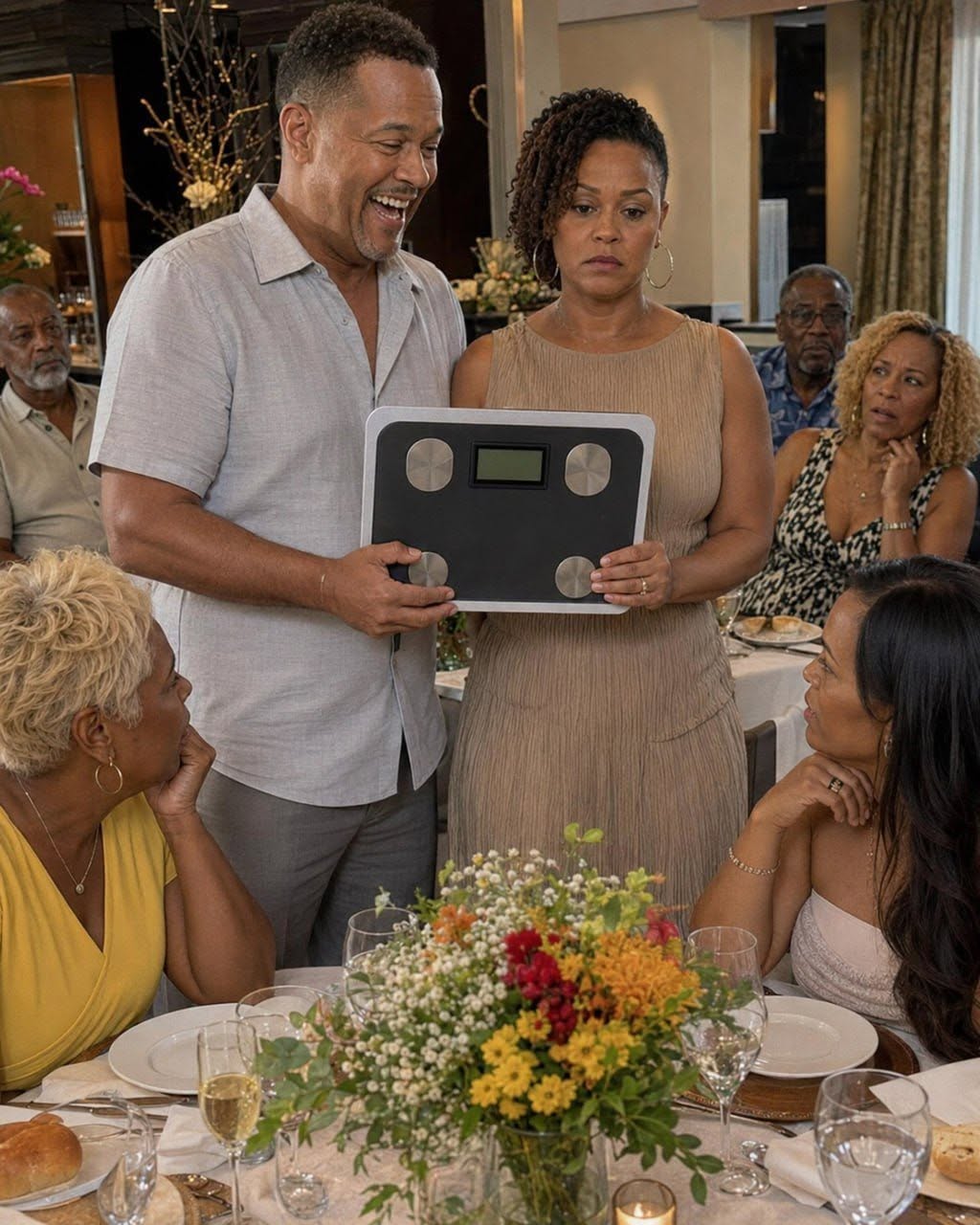
Our nineteenth anniversary was Russell’s idea.
He booked a private hall at a hotel and called it a celebration of “almost two decades of surviving each other.”
He invited coworkers I had never met, relatives we rarely saw, and friends who still described him as hilarious.
“We should do something memorable,” he said.
The word made my stomach tighten.
Two weeks before the party, Maya entered my bedroom carrying a garment bag.
Inside was a green dress I had worn on one of my first dates with Russell.
I had not seen it in years.
“Where did you find this?”
“In the storage closet.”
She held it against herself.
“I wanted to wear it to the school awards dinner.”
I smiled.
“You would look beautiful.”
Her expression did not change.
“Dad said I shouldn’t.”
“Why?”
“He said it would show too much.”
I examined the dress.
It was modest.
“Did he say anything else?”
Maya looked down.
“He said I’m beginning to fill out like you.”
The words were familiar.
That did not make them less violent.
“What exactly did he say?”
She hesitated.
Then she told me.
Russell had begun commenting on her lunches.
He asked whether she needed toast in the morning.
He told her she had inherited my “slow metabolism.”
Once, when she reached for a second slice of pizza, he asked whether she wanted to spend adulthood hiding inside oversized dresses.
I felt physically ill.
“How long has this been happening?”
“A while.”
“Why didn’t you tell me?”
“Because he says worse things to you, and you stay.”
That sentence stripped away every excuse I had built.
My daughter had not learned that his behavior was acceptable.
She had learned that survival meant tolerating it quietly.
I could no longer call that protection.
ADVERTISEMENT
