
ADVERTISEMENT
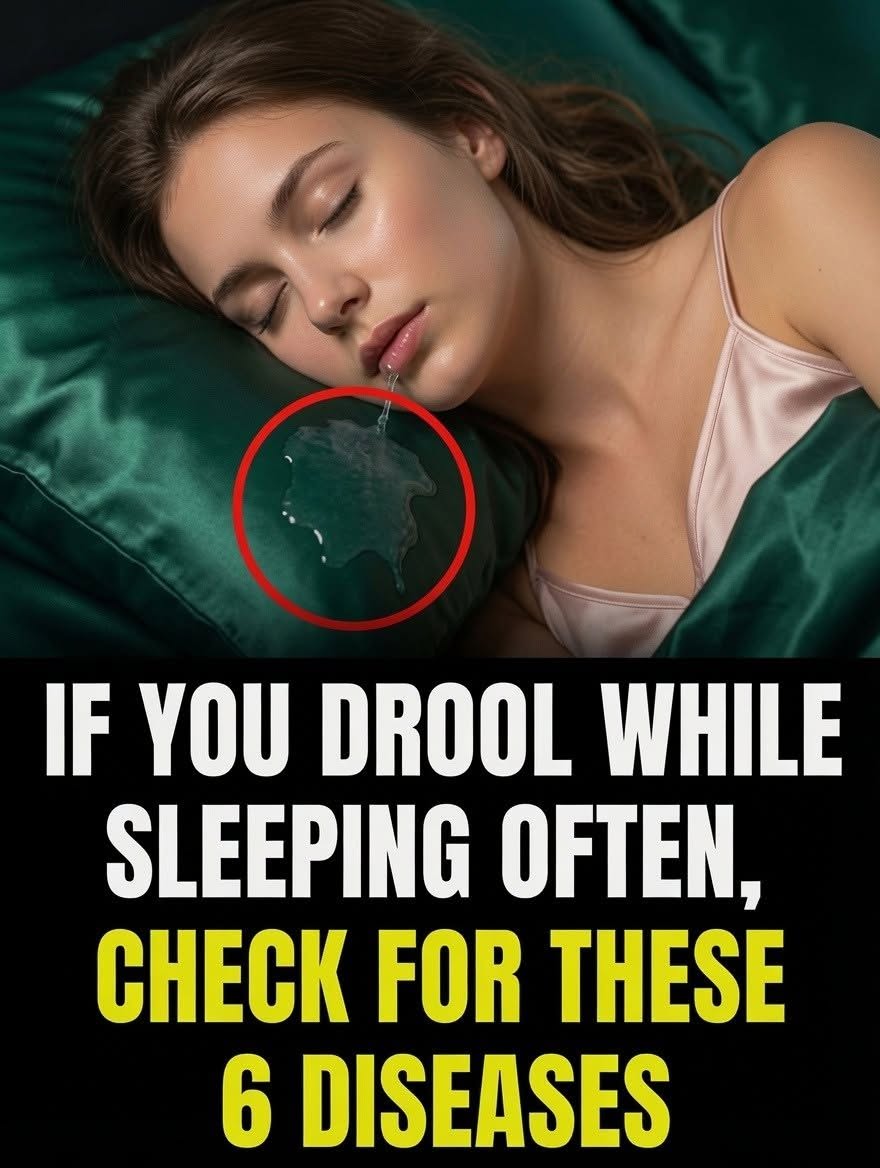
While sleeping, our body’s natural reflexes slow down, including our swallowing mechanism. This can cause saliva to pool and escape from our mouth. But when this happens excessively, it often points to an underlying physiological issue.
Below, we dive deep into the biological mechanics of nighttime drooling (scientifically referred to as nocturnal sialorrhea), examine the normal versus abnormal spectrum of saliva production, and explore six health conditions that may be causing it.
The Biological Function of Saliva
To understand why we drool, we must first understand why our bodies produce saliva in the first place. Saliva is not just water; it is a complex, vital fluid produced by three pairs of major salivary glands (parotid, submandibular, and sublingual) alongside hundreds of minor glands scattered throughout the oral cavity.
Why Do We Need Saliva?
-
Digestion: Saliva contains enzymes like amylase, which begin breaking down starches the moment food enters the mouth.
-
Oral Defense: It washes away food debris and contains antibodies, antimicrobial peptides, and lysozymes that protect our teeth and gums from bacterial overgrowth.
-
Lubrication: It facilitates smooth swallowing, speech, and taste perception by keeping the mucous membranes comfortably moist.
During the daytime, we constantly and unconsciously swallow this fluid. However, during the night, our swallowing reflex diminishes significantly. If your body continues to produce normal or elevated amounts of saliva while your throat muscles are relaxed, gravity takes over, resulting in drooling.
1. Chronic Nasal Congestion and Mouth Breathing
One of the most common reasons people drool during sleep has nothing to do with their salivary glands, but rather with their nasal passages.
How Nasal Obstruction Forces Mouth Breathing

Under ideal conditions, human beings are designed to breathe through their noses. The nose filters, warms, and humidifies the air we inhale. However, when the nasal passages become blocked, the brain automatically switches to mouth breathing to ensure a continuous oxygen supply.
When you sleep with your mouth open, gravity allows the saliva that would normally be swallowed to pool at the front of the oral cavity and leak out onto your pillow.
Common Causes of Nasal Congestion:
-
Seasonal Allergies: Allergic rhinitis triggers inflammation and swelling in the nasal linings.
-
Deviated Septum: A physical displacement of the cartilage dividing the nostrils can permanently restrict airflow through one or both sides.
-
Chronic Sinusitis: Long-term inflammation of the sinuses leads to mucus buildup and blockages.
-
Nasal Polyps: Non-cancerous growths inside the nasal passages can physically block the airway.
Addressing the root cause of your nasal congestion—whether through air purifiers, nasal strips, or saline rinses—is often the first and easiest step to resolving nighttime drooling.
2. Obstructive Sleep Apnea (OSA)
Obstructive Sleep Apnea is a serious sleep disorder characterized by repeated pauses in breathing throughout the night. These pauses occur when the muscles in the back of the throat temporarily relax and collapse, blocking the airway.
| Feature | Normal Sleep | Obstructive Sleep Apnea |
| Airway Status | Fully open, unobstructed | Repeatedly blocked or collapsed |
| Breathing Route | Nose (primarily) | Forced mouth breathing, gasping |
| Swallowing Reflex | Intermittent, functional | Disrupted due to gasping for air |
| Drooling Risk | Low | Very High |
The Connection to Drooling
People with OSA often experience severe mouth breathing as their bodies struggle to pull in oxygen. They may wake up choking, gasping, or snoring loudly. Because the jaw relaxes completely and drops open during these apneic episodes, saliva runs freely out of the mouth. Furthermore, the constant transitions between deep sleep, light sleep, and micro-awakenings disrupt the normal swallowing rhythm.
Other Symptoms of OSA to Watch For:
-
Loud, chronic snoring followed by silent pauses.
-
Waking up with an extremely dry mouth or a sore throat.
-
Morning headaches.
-
Excessive daytime fatigue, even after a full night’s rest.
-
Irritability or difficulty concentrating during the day.
3. Gastroesophageal Reflux Disease (GERD)
Gastroesophageal Reflux Disease, commonly known as acid reflux, occurs when stomach acid repeatedly flows back up into the tube connecting your mouth and stomach (the esophagus).
GERD& Digestive DisordersThe “Water Brash” Phenomenon
When stomach acid enters the esophagus, it irritates the sensitive lining. In response, the body initiates a protective reflex known as water brash.
The esophagus signals the salivary glands to rapidly produce large volumes of saliva. Because saliva is slightly alkaline (basic), the body uses it to neutralize the acidic juices rising from the stomach and wash them back down.
When you are asleep, this protective mechanism still occurs. The sudden rush of excess saliva, combined with a relaxed sleeping posture, almost always results in heavy nocturnal drooling.
Managing GERD Symptoms at Night:
-
Avoid eating heavy meals, particularly fatty, spicy, or acidic foods, within three hours of bedtime.
-
Elevate the head of your bed by 6 to 9 inches using bed risers or a wedge pillow.
-
Sleep on your left side; anatomically, this position keeps the junction between your stomach and esophagus above the level of gastric acid.
SleepDisorders
4. Neurological Challenges and Muscle Weakness
Swallowing is a highly complex physical process that requires precise coordination between the brain, sensory nerves, and dozens of muscles in the face, tongue, and throat. Any condition that affects neurological function or muscle tone can impair this coordination, leading to difficulty swallowing (dysphagia) and subsequent drooling.
How Neurological Conditions Impact Swallowing
When neurological pathways are disrupted, the brain may fail to signal the throat muscles to swallow saliva automatically during sleep. Alternatively, the muscles of the mouth and lips may lack the tone required to keep the mouth sealed.
Conditions Frequently Associated with Dysphagia:
-
Parkinson’s Disease: This progressive nervous system disorder frequently affects motor control, making swallowing slow and poorly coordinated.
HealthConditions -
Stroke: Survivors of a stroke often experience localized muscle weakness or paralysis on one side of the face and throat, making saliva management difficult.
-
Multiple Sclerosis (MS): Nerve damage can disrupt the signals sent from the brain to the muscles responsible for swallowing.
-
Cerebral Palsy: Can affect muscle tone, posture, and the ability to control facial muscles
In these cases, drooling is often managed through physical therapy, specialized exercises to strengthen oral muscles, or lifestyle adjustments guided by medical professionals.
-
ADVERTISEMENT
